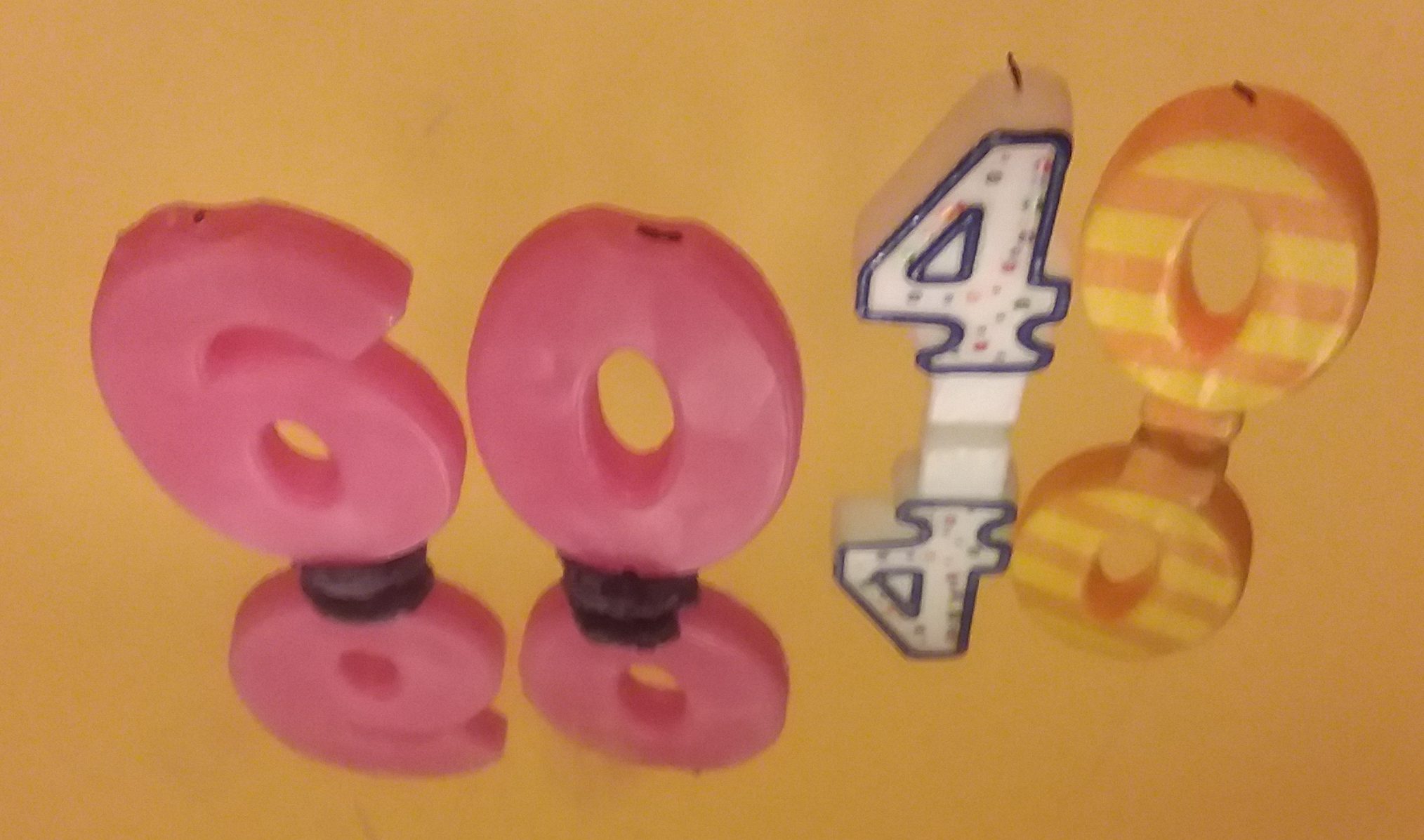
60: (February 2020)
In our increasingly polarized society, it is easy to get bogged down in the ugliness of the fear mentality that has become rather commonplace. Fear of losing something. Fear of losing a job or health insurance, fear of losing one’s comfort level, worldview, or place in the world. The fear snowballs into fear of people — or groups of people — who look different or believe in something different. Me, you, us, them: panic.
It doesn’t have to be that way. I refuse to give in to it. Many years ago when I lived in New York City, I worked in an office where no two people seemed to share a common identity. There was a woman from Puerto Rico who lived in East Harlem, an Irish immigrant who lived in the Bronx, a white nun who lived in Manhattan, a black woman who lived in Brooklyn, and a few others. It was a terrific mix of people from very different backgrounds and experiences, and it stretched us in ways that made us better people. There is a tremendous richness offered by diversity.
Some of my best life experiences have happened because I went out of my comfort zone to get to know people very different than me. My South Sudanese friend James has shown me what it is to rise above incredible adversity and how it is possible to have peace in one’s heart even after terrible injustices were done. There is no price tag you can ever put on gifts like these.
Diversity of music, cuisine, clothing styles; these variations are opportunities to celebrate the vibrancy of what the world has to offer. Ah, but what about political views and religion? We can learn from each other here, too. It may be more challenging, because we tend to cling to our ways of thinking, believing, behaving. But we can learn. We can grow. We can stretch our minds and our hearts to at least try to understand, if not embrace, another’s point of view. I suspect there will be lots of unexpected gifts coming right back at us if we do.
40: (February 2000)
I was in my daughter’s classroom when I overheard a classmate talking about her vacation experiences. “I saw a real black person!” she exclaimed proudly, continuing to work on a class project they were doing on Martin Luther King Jr. I was shocked by the comment, but then realized that her point of reference was our almost totally white, rural town, so seeing a black person was noteworthy. I began to wonder what mindset these children will form in a relative void of relationships with people of different races.
Children will soak up whatever information is available to them. They will begin to make distinctions, or not, based on what they hear, or perhaps on what they do not hear. They will learn quickly enough from exposure to media of the many prejudices that divide people. It is up to us to speak positively to our children about differences between people and to sow seeds of openness, acceptance, celebration, and love. They need to hear what we all have in common: that we are all interconnected, sharing a planet, sharing the air we breathe, each with a heart capable of suffering and love.
Yet children know this. I think children instinctively know what is true in their hearts; our job is to keep that alive within them, allowing those feelings to flourish, rather than wither. My sister-in-law once told me a story about when she was a child and had come home from kindergarten, sobbing inconsolably. “Mommy,” she cried, “there’s another girl in my class with my name. The teacher won’t be able to tell us apart.” The following morning her mother dropped her off at school and asked to meet the girl. To her amusement, her fair-skinned, towhead daughter brought over a girl with very black skin. Their physical appearances were in stark contrast, yet the children saw only what they had in common.
Children do not see differences; they do not judge on false criteria. They are taught to judge. They are taught to condemn. We must reinforce in our children the equality they already know to be true. We must look honestly within ourselves at whether seeds of love or hatred, communion or division have grown, and be aware that the seeds we allow to flourish in our own hearts will spread and grow around us.
Martin Luther King Jr. had a beautiful dream. I still have hope that my children will someday see his dream become a reality.
60-40:
The stark fact is this: every one of us on Earth is going to go back into the earth or be spread to the wind someday. That’s a pretty big unifying feature of being human. We’re born, we die, and everything in between is our own silly striving to be unique, individual.
We’re all in this together. What a better time we’d have if instead of erecting walls, we cooked a feast, sat down, and shared it together.
 60-40
60-40 