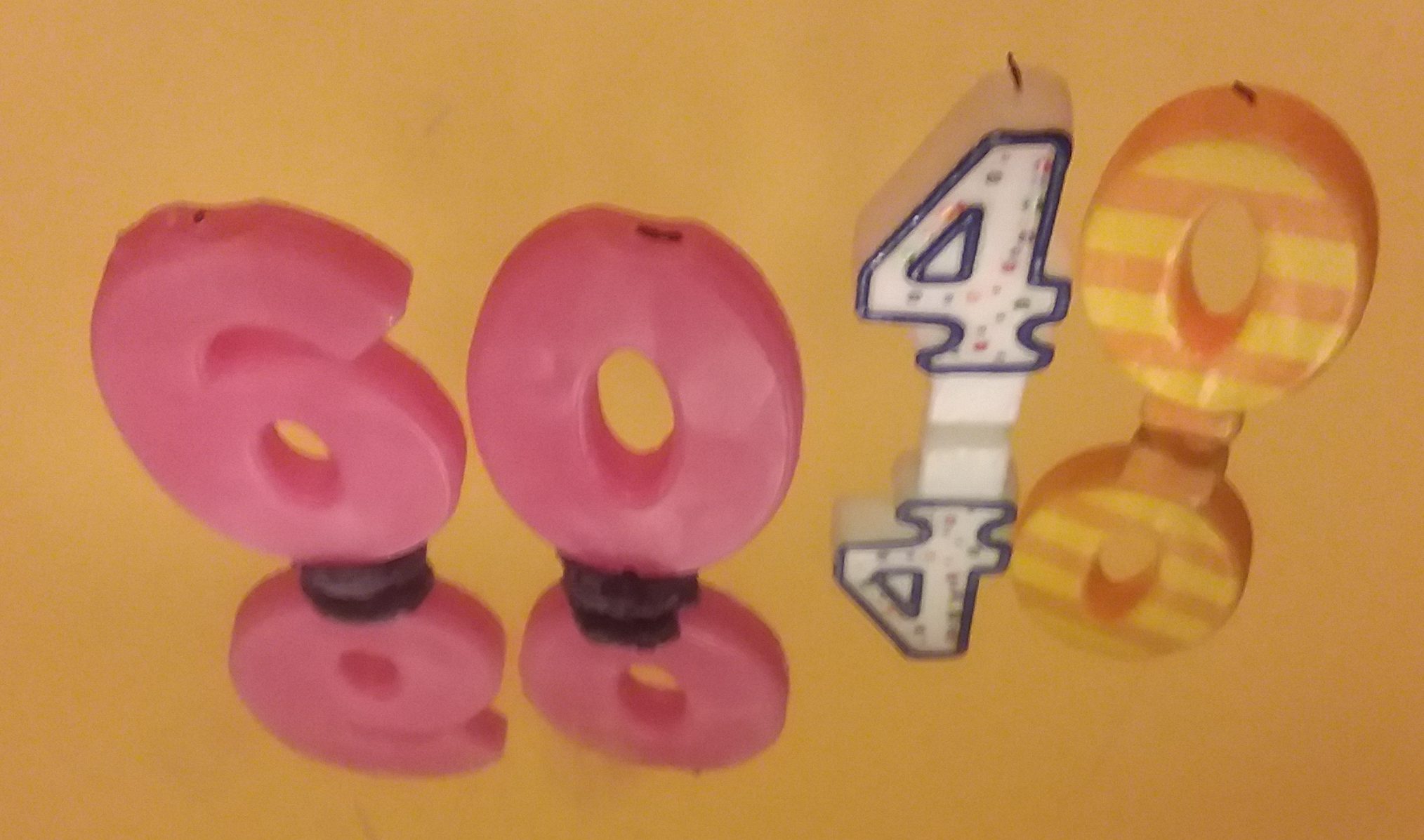
60: (July 2020)
It’s taken me 62 years to begin to wake up to what it’s like to be a black or brown person in America. That’s an embarrassingly long time. It’s not like I never thought about racism. But I didn’t peer very far beneath the surface, and I didn’t even realize that I was just skimming the water – until COVID-19 and George Floyd’s death collided with each other. Finally, I took more time to read accounts of the past and squarely face the reality of the present. More importantly, I allowed myself to feel it. Boom! Awake at last.
How could I have let other people’s children be killed on the streets, in their grandparents’ backyards, and in their own beds without feeling a greater sense of outrage? How could I have let other mothers bear that grief without letting my own heart truly open to that agony? How did I allow myself to be part of the great throng that did nothing for so long to rectify wrongs? And now that my eyes are open, what to do? What are the solutions? What can be done to address past horrors and prevent them from happening again, and again?
I don’t know the answer to any of these questions. But I know that I’ll be searching. I’ll try to be part of a solution, however small. I feel like a growing child who loses a chunk of innocence by realizing her parents have serious flaws. Not that I thought the United States was perfect, by any means. But there is a part of me that feels like the rug has been pulled out from under me, even as I am part of the warp and weft of that rug. I am complicit in the evils that our country has perpetrated, because I have done nothing to prevent harm or to remediate harm in the wake of destroyed lives.
Although I’ve lived in predominantly white neighborhoods throughout my life, I had a few key opportunities to cross the racial divide that were squandered. I had a black roommate in college for a year and a black research partner in graduate school, but I didn’t attempt to discuss racial issues to any great extent with either of them — out of a sense of ill-placed politeness, or convenience, or what was surely the easier path. Make no waves. Don’t probe too deep. Keep to the surface of the water. It’s so much easier to stay in the shallows than venture into uncharted waters.
But it’s a new day. I’ve made a commitment to educate myself by reading books on racism and by black authors. I joined a new diversity committee at work. I will use my voice with my vote. I will try to figure out how to be part of creating a better world. It’s a start. After a 62-year slumber, it’s about time. Yes, structural racism serves white people well. I am so ashamed that I’ve been part of it.
40: (July 2000)
People sometimes express envy to me because I can eat anything without gaining weight. My friends tell me this is a blessing. The negative side of this, other than having been endlessly taunted throughout most of my youth for being skinny, is that my weight never provided me with an incentive to be physically fit. If I were an animal, I would have the behavior patterns (if not the belly) of a bear, hibernating all winter with a good book and taking it slow in the summer. But when I reached the magical age of 40, I began to worry about the health implications of not exercising my body. I knew I was becoming increasingly susceptible to osteoporosis, general malaise, and more; my inactivity was bound to catch up with me someday.
Around this time, I became friends with a couple who teach Ashtanga yoga. Eventually I became curious and decided to give it a try. Initially they offered private lessons, I think to spare me the embarrassment of my almost total lack of ability. Ashtanga yoga is a vigorous form of yoga; ideally, 60 postures are done in quick succession during approximately 90 minutes. Inhalations and exhalations are aligned to a series of movements leading up to and out of each posture, which is then held for five complete breaths.
It would be difficult for me to accurately describe how inept I was at this practice. My body could barely drag itself through about 20 minutes of the beginning postures before I was simply unable to proceed. My attempts at the postures were laughable, as I was unable to accurately press my body into any of the prescribed shapes. I would crawl home, utterly exhausted, and have to rest for a long time, feeling like a truck had hit me. The following week would be torture, my muscles crying out to me how much I had ignored them over the years. After a week, my body would finally begin to ache to a tolerable degree. Then I would go to another 20-minute class, and it would start all over again.
I think it was the pain itself that propelled me to continue with this effort; it was a wake-up call, alerting me to just how much I had let my body atrophy. It also helped that my instructor did not give in to despair at the sight of me and remained very encouraging. Eventually I joined a regular class, and over time I have been able to get through all 60 postures, coming home tired, but energized, and with only minor aches.
It feels good to do the breathing and to feel my lungs working and my body building strength. I can move in ways that I could only dream about, and I see muscles where there was no evidence of any just one year ago. Instead of feeling a contraction in my body, I feel the spaces between the joints as I stretch; I feel like I am allowing all parts of my body to breathe internally.
It’s a challenging practice and still frustrating to feel weak points in my body, as many postures continue to torment me. But I plunge on, feeling like I am on a good track, ever inching my way to increased strength over time. I have a new kind of energy for life. I guess it’s never too late to wake up, although the process can be pretty grizzly.
60-40:
It’s so tempting to stay asleep, because it is so darn comfortable in bed, under the covers, curtains drawn, in a dreamland. But once awake, there’s really no excuse not to make the most of the day and that gift of time — to embrace reality and do what’s possible to make it better, to make right what is wrong.
Life is a big, complicated tangle. It’s easy to feel overwhelmed, and that is a lure to do nothing, stay put, pull the curtains closed. But just like waking up in the morning, the only real option, other than going back to sleep, is to take a step. One step. Feet to the floor, walk to the kitchen. Drink a cup of tea. Figure it out, one step at a time.
It’s well past the time to join others along the road and start walking.
 60-40
60-40 