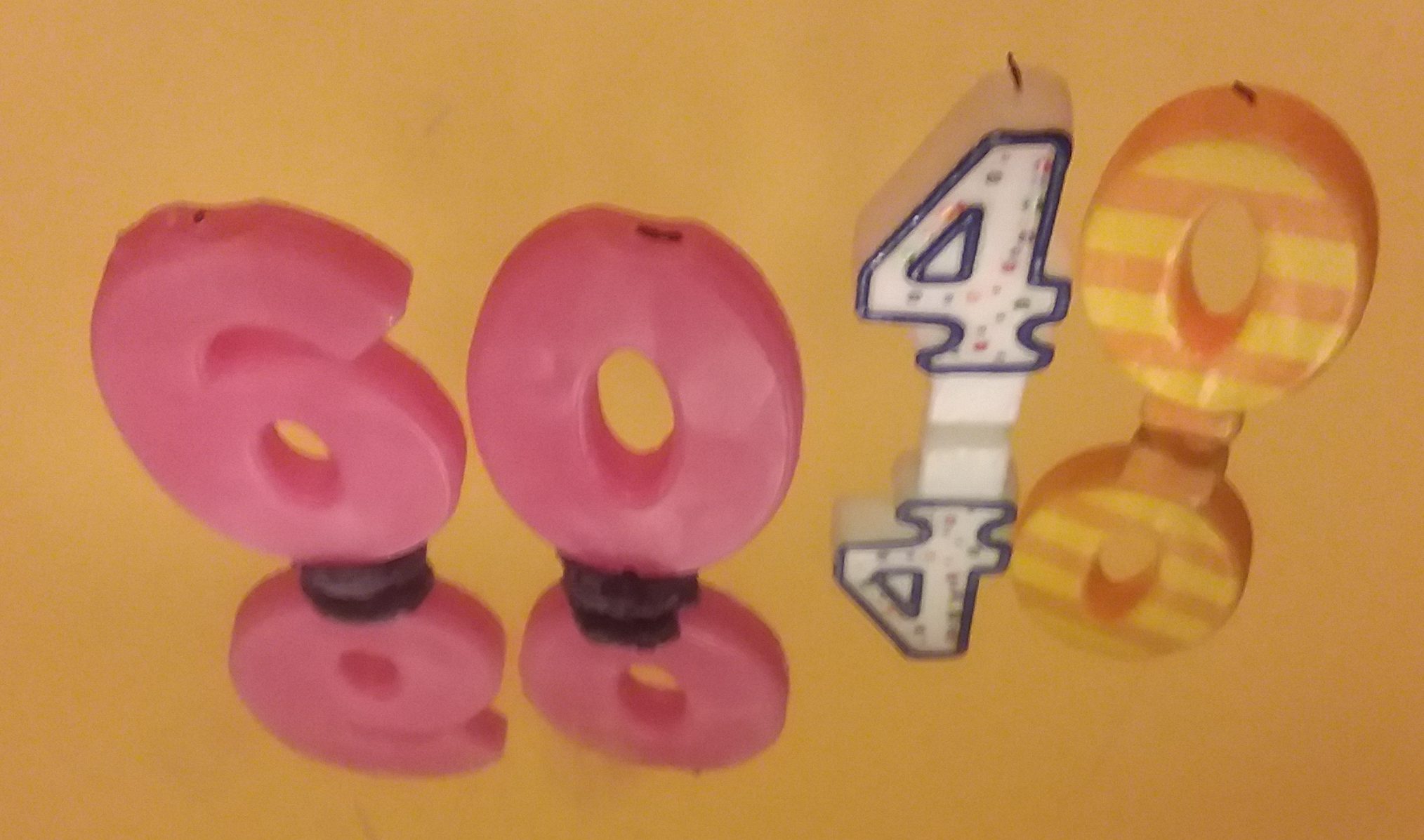
60: (August 2025)
There’s nothing quite like a homegrown tomato. We typically grow about 10 different varieties; with so many to choose from in terms of color, shape, and size, not to mention taste, it’s always hard to narrow it down to just 10 plants. In our climate, the tomatoes really start to ripen in force in August. Thus begins my scramble to include tomatoes in almost all our meals, in addition to making sauces and salsas to freeze for later use.
But I can’t swoon over the tomatoes for too long — there are heaps of kale, broccoli rabe, pak choi, spinach, basil, and other vegetables and herbs that need weeding, harvesting, cleaning, and cooking, freezing, or drying. Every year since we began vegetable gardening, I begin to feel overwhelmed by it all right about now, yet when spring rolls around, I find myself planting rows and rows of veggies once again.
There is something highly satisfying about growing your own food. There is the obvious delight in seeing plants emerge from seeds, and then flower to eventually transform into vegetables or fruits. Beyond that though, tending to them from seed or seedling to food on the table allows for a deeper sense of communion with these living entities. After all, their lives will sustain my own; when I sever their connection from their own life force, I do it with a sense of gratitude.
It is time consuming to work with home-farmed vegetables, because they often harbor many different sorts of insects that may be initially hidden from view. Every leaf of kale, lettuce, cabbage, etc., needs to be carefully examined and washed before being consumed or prepared for later use. After the 100 heads of garlic were dug up, they required meticulous drying, cleaning, and trimming so that they will last for many months to come. The herbs will need to be washed, dried, chopped, and stored. All this labor is actually a relationship with plant life set in motion; it is a labor of love.
Tonight I will make a tomato salad with homegrown basil, and a stir-fry that will include pak choi, zucchini, onions, snap peas, and garlic from the garden. A feast for the senses and food for the soul.
40: (August 2005)
My eyesight changed a few years ago. Like so many other people my age, I found that I could no longer see things clearly that were close up. I had to get glasses so that I could read, see my piano music, and work on the computer without things looking fuzzy. My eyesight continued to deteriorate, so that now I do not wear glasses just to take away a little blurriness, but to see things within close range at all. I am dependent on them, constantly taking them on and off and losing them throughout the day.
Almost everyone I know who is over 40 deals with the same thing. The simple explanation is a biological one, but sometimes I wonder if losing clarity of close-up vision might be nature’s way of trying to communicate something to us. What might be the benefits of becoming farsighted?
If my eyesight were not correctable, I would spend the day quite differently. My other senses would undoubtedly become more sharpened. Would I hear things with greater discernment? Might I create and play music that wells up out of my soul instead of off the written page? I would not be able to read the psychology and spirituality nonfiction books I currently devour. Might I then learn to listen less to the opinions of others and trust myself more? Cooking would have to be done by taste, smell, and color instead of off a recipe card. Since I cannot see what I am eating clearly without my glasses, might I give greater attention to the taste and texture of what I put into my mouth?
Without the ability to see things near to me, perhaps I might be more inclined to experience life more physically, spending more time outdoors where I could take in larger vistas and see things from a broader vantage point. And blurred vision might be nature’s way of softening people’s faces. No need to worry about wrinkles, because most of us could not see them without our eyeglasses or contact lenses!
I know it is not practical to go without corrected vision in today’s world. But I cannot help muse over why most of our bodies are built with a timer that clouds our sight at a certain age. Could this be an opportunity to increase our abilities to see with our inner selves? Maybe we are meant to hone our intuition, our heart sense. Could it be that the eyes are only the first window, and we are meant to open others, to develop other forms of vision? They say love is blind; maybe we don’t need our eyes as much as we think we do.
60-40:
‘Seeing’ the world, our environment, people, is indeed so much more than visual. To understand and appreciate the essence of what is before us, to truly see something or someone, may require us to use all of our senses on the journey toward opening our hearts and unlocking new vistas.
In doing so, the ordinary in our day-to-day lives has the possibility to become extraordinary. One day you may find yourself gardening, and suddenly a tomato might reveal itself to be a work of art! Abundance, beauty, nourishment. Food for thought.
 60-40
60-40 