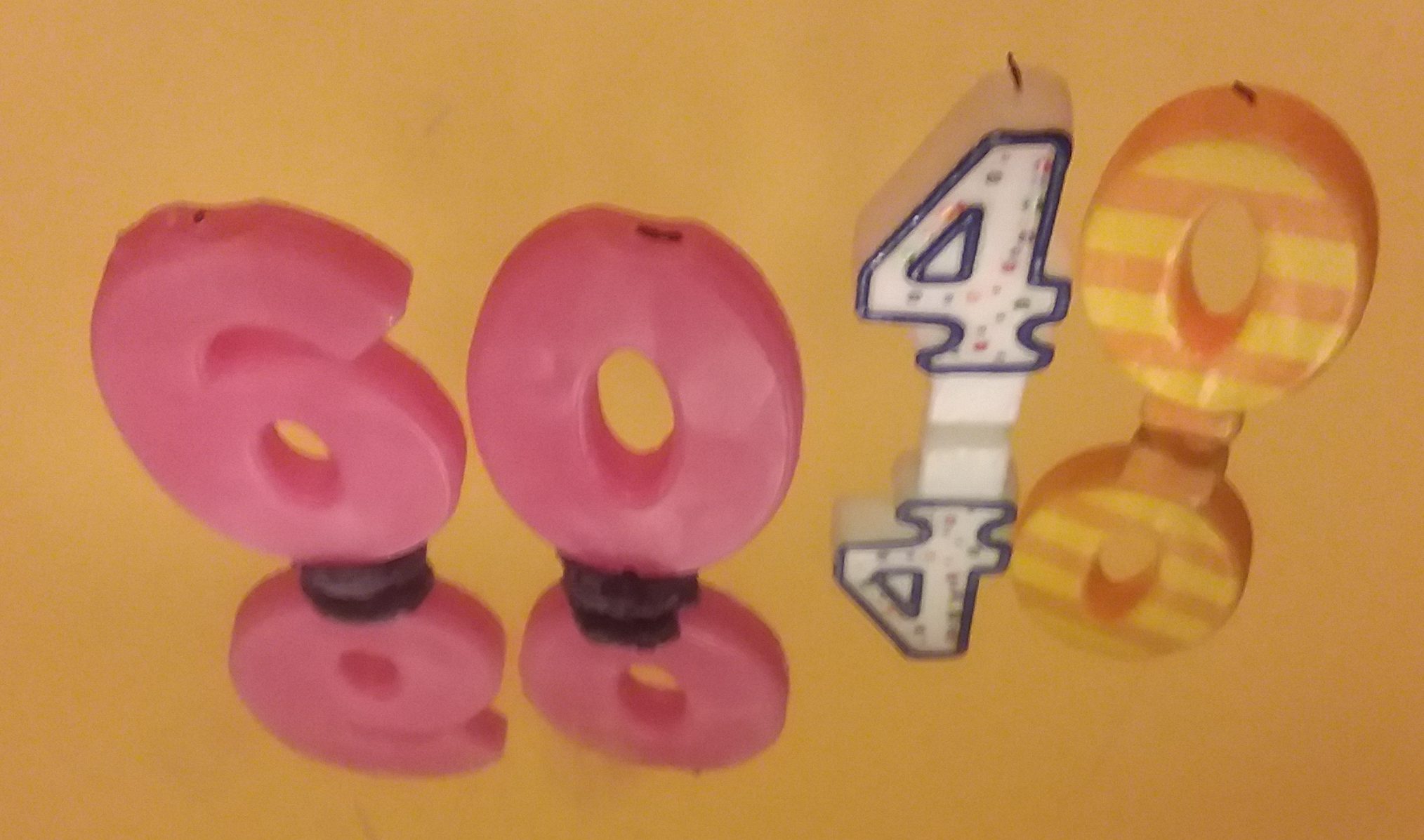
60: (October 2018)
A decade or so ago, I had the good fortune to meet a refugee from southern Sudan. Living in rural New Hampshire can be isolating in terms of encountering people from diverse backgrounds, no less refugees from war-torn countries. But James, a young man in his 20s, was in a local pub watching a band when one of my friends noticed that he was alone and reached out to him. She invited him to a gathering at her home later that week, and I was on the guest list as well. Thus began a rich friendship, and now James is like an extended family member.
When James first told me of the terrors and trials he had endured in his life, I was struck by his strength of character and that he only wanted peace in the world. It seemed nothing short of miraculous, given what he went through.
James was only five years old when his Sudanese village was attacked. His father and two brothers were killed, and two sisters were taken as slaves or killed. With much of his village in flames, James ran for his life and became separated from his mother and six other siblings. After many years on the run, he and other “Lost Boys of Sudan” wound up in the Kakuma Refugee Camp in Kenya and were eventually brought to the United States by our government. At that point, James was 18 years old, his childhood gone.
James has since become a U.S. citizen. He works in New Hampshire, caring for disabled adults. He is a loving, compassionate human being. The United States is lucky to have him here and to be able to call him one of our own.
It is easy to be overwhelmed by what’s going on in our world and not want to face the horrifying truth that shocking traumas happen to innocent people, including little girls and boys. But after becoming friends with James, my eyes were opened. Blinders off, I was moved to tell his story, originally in the form of a play. Then my daughter Molly and I decided to turn it into a short documentary: And Still We Dance.
It took us a long time to put the video together because she lives abroad, and we had to squeeze in time to work on it during her visits home, which tend to be very busy and always too short. But we finally finished the project during her visit this past month. The film is our gift to James, our tribute to a fine person, containing his message of peace to the world. If only all our hearts were as open and loving as his. It gives me hope.
Here is Jame’s story (video is about 10 minutes long):
40: (October 1998)
I knit. I admit it. I began knitting two or three years ago and quickly became addicted. It is not that I have huge blocks of time to quietly knit in a rocking chair. I knit in the “in-betweens,” those times of waiting or of transitioning that happen many times a day in the life of a mother.
My nervous energy used to brim over in those sit-still-and-wait moments. Now, instead of chewing a fingernail as I sit in the car waiting for my older daughter to come out of school, I knit. When I sit in the waiting room at my younger daughter’s dance class, I knit. All the little minutes peppered throughout the week when I am waiting for someone or something, I knit. It adds up. I have the sweaters to prove it.
When I can, I like to knit a row or two before I go to bed. Years ago I used to watch television at night to unwind. I sat like a zombie and usually went to bed feeling like I had wasted my time. Knitting is a lot more gratifying. I usually choose to knit something that has a pattern with two or three colors in it. This forces me to pay close attention to what I am doing. The noise of the day recedes, as my mind concentrates on what is before me, in the moment. My mind clears, and I feel calm.
I also love the feel of wool. It is a connection to the natural world. It is soft and warm, and I always choose colors that make me happy. Knitting connects me, century to century, to generations of women (mostly), who felt the soothing, rhythmic working of wool, something akin to a meditative experience. From two needles and one long strand spring forth useful creations, each strand absorbing bits of the knitter’s personality and artistry, as the wool is transformed.
I am knitting myself a sweater of sunflowers right now. I love sunflowers and grow them all over my garden in the summer. When my sweater is done, I will have them with me year round. I sink into a relaxed state as the wool is maneuvered, and the pattern slowly emerges. My soul hears Van Gogh whisper his approval.
60-40:
It’s interesting to see how the “in-between” times have changed over the years. I haven’t knitted in quite a while, although I’m sure I’ll get back to it someday. Lately, my in-betweens are filled with snatching bits of time for writing or other creative projects, like James’s movie.
I have music project ideas, a screenplay, a sitcom, and a nonfiction book all in various stages of incompletion! My in-betweens have become times whenever I am not at work: evenings when I’m not too tired, weekends, and driving to and from work when the mind is free to roam and be creative.
It is gratifying to see acts of creation, however small, that stand the test of time. I still wear the sweaters I knitted 20 years ago. Likewise, I hope James’s story will be told well into the future — to remind us of why refugees seek asylum in our country and what a gift they are to us all.
 60-40
60-40 
So wonderful Lisa. It was years in the making and worth every minute. So beautiful. Congratulations to you and to Molly on this amazing work.
Love, Joan
Sent from my iPhone
>
LikeLike
Thank you, Joan! And thank you for being part of the film crew! 🙂
LikeLike