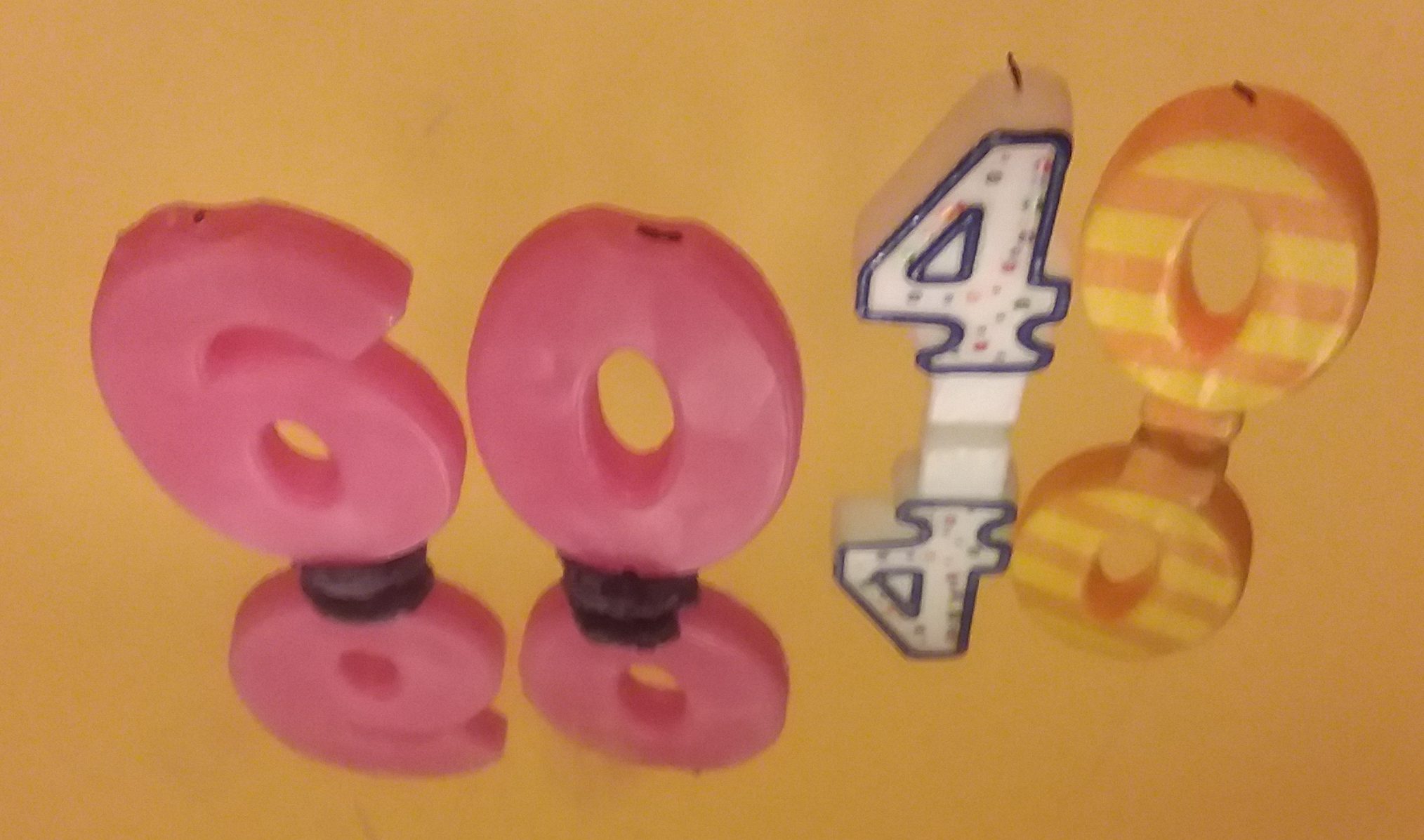
60: (October 2019)
Some local organizations are spearheading a week of events during national Hunger & Homelessness Awareness Week, Nov. 16-24. When I looked at the program, it set off an unexpected avalanche of feelings that I wasn’t aware I had locked away, including a memory of a little girl.
The little girl was maybe two years old. I had swung her around in a circle and then held her in my arms. She had shining, laughing eyes and was full of joy and contagious giggles. This little cherub had caught my eye when I was in a cavernous, dirty, dangerous old hotel in NYC that served as a shelter for homeless families. After an hour or so I handed that sparkling child back to her exhausted mother and went back to my life, my home.
Thirty-five years ago, I was a social worker in NYC. I ran a shelter for homeless women and oversaw soup kitchens for hundreds of people. When I moved to my little town in New England, I was surprised to learn that there were homeless (and hungry) people here as well. I didn’t see them like I did in NYC. I didn’t have to step over crumpled bodies on sidewalks. I found out that here, in my rural slice of the world, homeless people slept in cars, or campgrounds, or doubled up in apartments until the landlord found out and threw them out.
I wrote a book about homeless women in 1990 that I thought might be obsolete by the time the publisher got it to print (A Far Cry from Home: Life in a Shelter for Homeless Women). Yet here we are decades later, and the problems have only grown worse. Homelessness has become institutionalized in our country, and food insecurity is a daily fact of life for a large segment of our society.
It can be easier to distance ourselves from homeless parents than homeless children. It’s easier to assume that the parents are to blame. Aren’t they all drug addicts? (No.) Alcoholics? (No.) But it’s easier to tell ourselves that, turn our backs, and go about our lives, despite the fact that most homeless parents are working and there is precious little affordable housing out there for low income families.
And what about the children? They are so clearly innocent, so obviously not at fault. Children, like that smiling child I held so many years ago, are out there without a place to call home, without a bed to call their own. There are 25 school children in my picturesque, small-town part of New England who are homeless.
Do their eyes smile? Do they have contagious giggles? Will the experience, the fear, the shame of homelessness—justified or not—scar them for life? How will they be able to learn and go to school each day, bearing this burden?
Hunger & Homelessness Awareness Week aims to send up some flares. There are children out there who need our help. There are neighbors who need us to care.
I wonder where that child is who I held so many years ago. I hope her eyes still smile.
40: (October 1999)
Over the years, I had lost my father and three of my grandparents, but losing my father-in-law taught me about dying in a new way. My father and grandparents died in hospitals, in strange beds and sterile rooms, attended to by health care professionals. My father-in-law was fortunate to die in his home.
His wife of 53 years and his children took care of him, not only attending to his emotional needs, but caring for his body as well. It was they who cleaned the bedpans, bathed his body, and fed him. They smiled together, reminisced, and comforted each other. To be served by those you love and to be given the privilege of doing so was a gift to all. There can be a tender beauty in the shared intimacy of the dying process.
It used to be commonplace to share this experience, but modern medicine often creates distance between those who are dying and those who love them, by using extraordinary means to prolong life. We hospitalize people who are sick because sometimes they recover and come home. But often they do not, and people like my grandparents and father, who did not realize they were about to die, do not go home again. Had they known their deaths were imminent, what a blessing it would have been to die in their own homes, surrounded by family.
My father in-law refused medical intervention when he knew he was terminal, and in so doing, he preserved dignity and beauty for his final phase of life. It took courage to go against the tide of popular thought that seems to encourage fighting for every last breath with the help of modern medicine. He simply said no. He wanted to do it in his own way and in his own time. He seemed to know how to accept death and embrace the process as part of his life, rather than as something with which to do battle.
My father-in-law’s illness was not an easy one. Yet he accepted his approaching death with candor, concern for his loved ones, and an honest reflection of his life’s worth. By facing death himself and accepting with humility the care he required while his life seeped away, he allowed his family and friends to share in his dying process. The grace he exhibited through this process of pain and loss of bodily function has taught me much about life. He has helped me face that part of life we often fear, and in our fear, deny.
Death is simply a part of life. As such, we can choose peace over fear, and invite in a gentle beauty.
60-40:
Memories are funny things. They can hang around somewhere in your brain—silent—completely silent. Then when you dust them off, they reappear bright as day. You can feel all the feelings they evoke all over again, almost as if you’re experiencing them for the first time.
At least that’s how it is with me. I can hardly believe my former father-in-law died 20 years ago. And that I worked in New York City’s shelter system almost four decades ago. Sometimes time seems to stretch out in a linear fashion, but memories can work magic; memories can make time collapse upon itself.
Memories can also be haunting, if they’re bad. I hope Hunger & Homelessness Awareness Week serves as a catalyst for finding solutions, so homeless and hungry people out there, especially the children, have warm homes and full tummies to remember in times to come.
 60-40
60-40 
Truth. Memories are so REAL, yet also so intangible. Trying to grasp something you cannot hold (the golden memories) — or shut out something that will not leave (the bad ones). We are so much more than we seem, walking around in these bodies of ours. How much we contain! Universes.
Thank you, Lisa, for your insightful reflections, and for sharing them with us.
LikeLike
Thanks so much, Jackie!
LikeLike
Love this! Here is one response to hunger. From Italy: https://www.foodforsoul.it/
This inspired action by me and my RC sisters here.
Xo Susan Sent from my iPhone
>
LikeLike
So fantastic! Great inspiration!
LikeLike