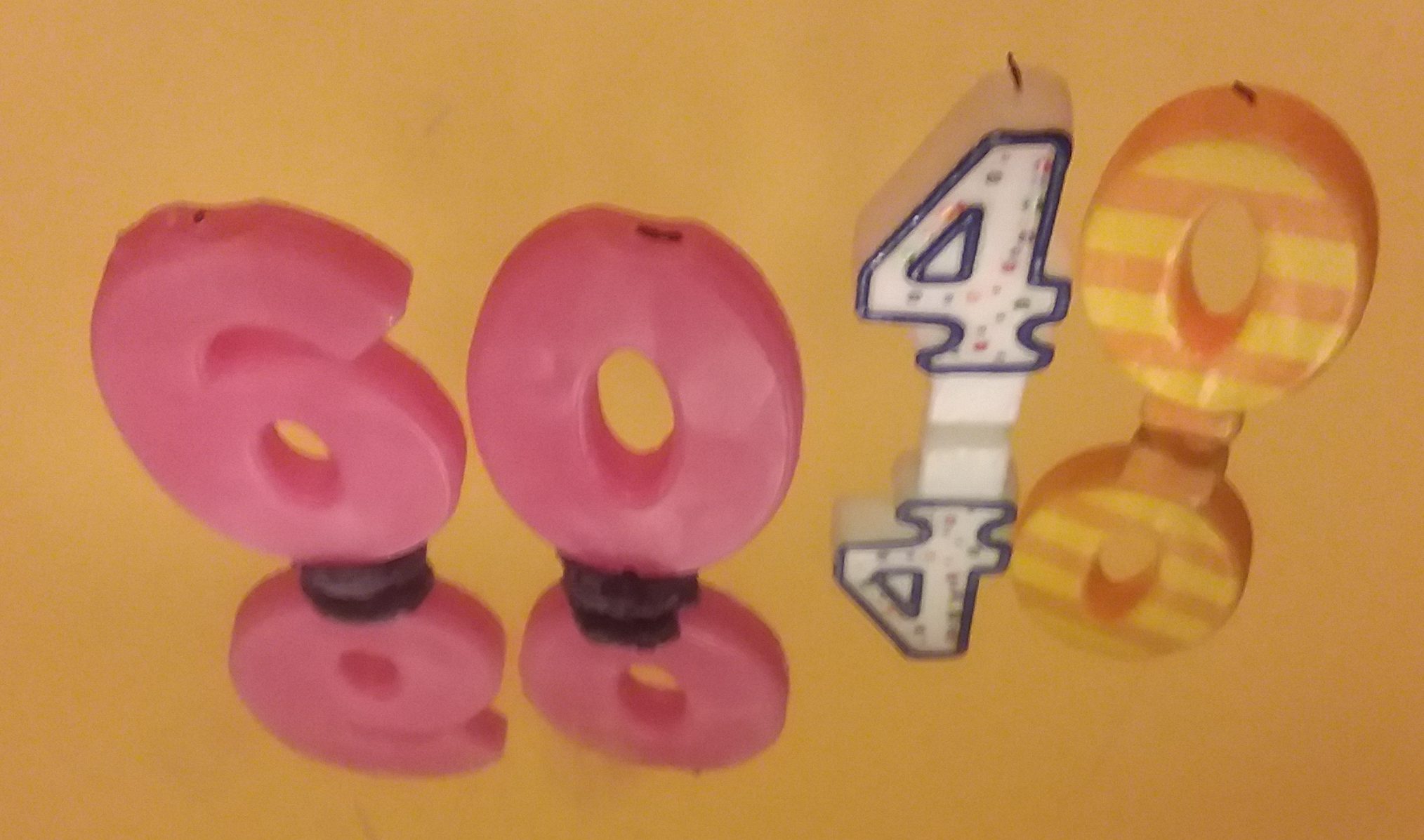
60: (March 2020)
My older daughter is a photographer/filmmaker who focuses on wildlife conservation and animal trafficking issues. We recently spoke about the question of how to best do work that really matters. Given her line of work, she wondered how much of an impact photos and videos can actually make, how much real change they can produce considering how much information currently crowds various forms of media. For instance, a video that one labors to create might be glanced at for just a few seconds on social media; can it possibly make a real difference to the wildlife she seeks to help?
That’s a hard one. Like my daughter, I sought out work that makes a difference to wildlife and the earth, so I began working for the Harris Center for Conservation Education about 18 months ago. The organization protects land so wildlife has room to roam, educates children about the environment, and connects people of all ages to nature–good stuff! Yet this work is done in just a little corner of the world. Seen through the wide lens of the whole planet, it is easy to feel like all effort pales compared to the perils facing our environment and its innocent victims: the animals and other life forms that are at the mercy of human behavior.
But what is the alternative? At some point, most folks who seek to somehow make a positive difference in the world undoubtedly face the fact that they are only able to affect a small fraction of their targeted population. A teacher educates only a classroom of students at a time. A doctor or nurse can only treat a tiny percentage of sick people. A social worker can tackle only a fragment of social ills.
Yet it is all worth doing.
Whether the immediate impact is known or not, work done for good causes, for compassionate purposes, is generative—it can’t help but matter. Voices that educate, voices that speak for justice, voices that tell stories for those who do not have a voice, will be heard by some. And those who have heard may very well repeat the story, or take an action in response to it. And if there is one thing that the coronavirus has taught us, it’s that most of us have many interactions each day, and the effect of each interaction grows exponentially, person to person.
If a virus can spread that way, our small actions and moments of contact with others can similarly spread, one contact, one voice at a time. However, unlike the virus, the outcome has the potential to be life giving. And that makes all the difference in the world.
40: (March 2000)
What if when we die we are buried with all the things we have consumed in our lifetime, all the things we acquired, all the trash we generated? It boggles the mind. Let’s make it simpler. What if we just think of all the trash or goods we consume in one day? What if we narrow it down again to all the paper we use in one day?
Paper not only obviously consumes trees, but it is also processed with chemicals, packaged, transported, and then trashed. Paper goes through a lot of resources in its lifetime. Yet it is so much a part of daily life that it can go unnoticed. There are paper towels, napkins, packaging on fast foods and store-bought foods, bags to put purchases into, newspapers, magazines, books we buy to read once, and flyers and catalogs we know we will only glance at and toss. There is junk mail that seems to have an uncontrolled life of its own. Computers and use of the Internet have the potential to save paper, but I cannot be the only person who winds up printing out more of everything than I really need.
Paper, once a rare commodity to be cherished and used with utmost care, is now part of the seemingly insignificant waste of our daily lives. Was it Native Americans who had the philosophy of “leave no trace?” We have created the antithesis; our country enjoys so much plenty that waste threatens to engulf us. Our collective conscience is one of overindulgence and immediate gratification. But we can wake it up, one person at a time, and recognize our role in the web of life. We have learned to control and manipulate the environment very well; we can likewise learn responsibility and restraint.
What will each of us physically leave behind? Our bodies will decay within the earth someday or become a small pile of ash. Will the lifetime of goods proliferated linger on well beyond any memory of the person responsible for it?
I write, and I add to the paper heap. Well, at least I’m generally short-winded.
60-40:
I guess it all comes down to how we assess value. How much do we value our material wealth, our lifetime of accumulations? Do we allow ourselves to value that at the expense of the earth and its nonhuman inhabitants?
How much do we value our relationships, nature, the wider community? Is our behavior in sync with our value assessments? What do we think really matters in this world?
These are questions to be pondered and reassessed throughout our lives. The answers can make such a difference.


Brilliant! Thanks for inspiring such a perspective: value and health for ourselves AND all and everything we affect. We do our 1% and God will do so much more with it!
LikeLike
Thank you! 🙂
LikeLike
Very inspiring and thought provoking on a practical level as well… I use cloth napkins and love the random selection I have… if we all plant a veggie or two (container planting works well if you don’t have land) then we will use that much less packaging…packaging is an insidious evil that we don’t even notice anymore and contributes to our trash greatly… thank you Lisa for this moment of reflection❤️🙏🏻🎶
LikeLike
Thanks so much for your comment! 🙂
LikeLike