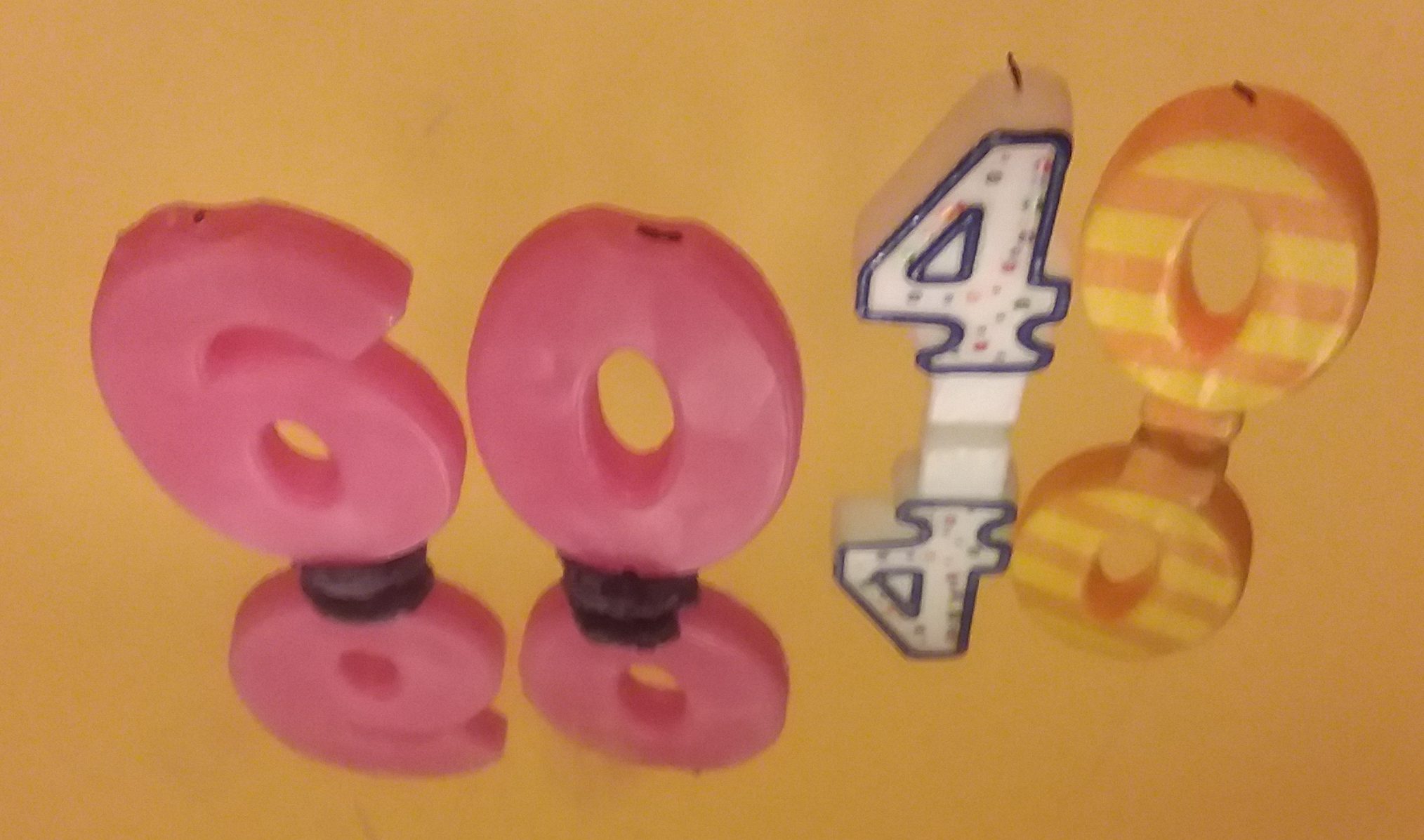
60: (November 2023)
Imagine you wake up, look out the window, and see tree branches blowing in the breeze, hanging on to the last of the colorful fall display. Imagine you get out of bed, head to the kitchen, and turn on the tap; clean water flows out. You make yourself a cup of tea and open a refrigerator full of food. The heat is on, your home is comfortable. This is how your day begins.
Imagine living in a place that is not plagued by war. Living in a country where healthcare is pretty darn good, the roads are decent, utilities and the internet are functional, and where you have a good chance of living into old age just by virtue of being born in that part of the world. Wait a minute; this is my life! I’m sure I’m not alone in taking all those daily rituals and societal norms for granted most of the time. I get to greet each day with a baseline of amazingly good stuff: minimal stressors, unspoiled nature surrounding me, all of my basic needs met, and a sense of safety. Yet I often forget this.
I allow myself to focus on daily opportunities to feel angst—those occasions will always be there as well, but I don’t need to attend to them. I don’t need to give them life. That said, I let myself become anxious about relatively small things, or situations that are out of my control, instead of appreciating that I have this breath, this moment, these hours, this day. At those times, I have to wake myself up from the distractions from my fortuitous baseline reality and coax myself into releasing the stress. After all, I can find stress in any day if I make that choice. I need to frequently remind myself that not everyone gets a day, or even an hour or a moment. I remind myself to return to my baseline, to my myriad blessings.
Maybe by intentionally practicing gratitude, I can learn to notice all the gifts in each moment, in each day I am given. I wonder what the ripple effects of living in such a state of gratitude would be. Perhaps they could make a tiny difference in our troubled world, where many people do not wake up to see nature dancing outside their windows; they wake up to the sounds of bombs exploding instead. The late Vietnamese monk and peace activist Thich Nhat Hanh said,
“You can put all the bombs on the moon, but if you do not uproot the bombs in people’s hearts, war will continue.”
Like the atom, could it be that we have more power than we can imagine? Maybe one heart at a time, we can become a force for good. I’d like to see what that explosion would look like. I’d love to be part of it. Maybe it can start with giving thanks.
40: (November 2003)
Lately, I have been drawn into several conversations about how busy everyone is. So many people, including me, often feel too busy. Someone remarked that we have so many choices available to us on how to spend our time that it is like being presented with a giant smörgåsbord every day, and we are all gorging ourselves. And when we gorge, things can get out of balance.
Parents of young children are constantly faced with decisions about how to prioritize activities. How many play dates make sense? How many lessons in music, gymnastics, dance, or karate? How much is too much? And those who do not have young children are faced with similar decisions for themselves: volunteer activities, clubs, sports, and cultural and social events. Then there is the media, offering us a potpourri of time-spenders: the Internet, television, videos, and plain old-fashioned printed materials. Cell phones have created a whole new level of busy-ness by enabling multitasking at an unprecedented level. Need I mention how many hours a week most of us spend in the car? No wonder it can all seem so burdensome!
People are wired to be active; most of us do not wish to be idle. I think the feeling of being too busy has more to do with the sense of constant transitions and shifts in focus, from one activity to another, one place to another, one person to another. Constitutionally, some people might be able to handle greater amounts of change and transition in their days and weeks than others. But those of us who feel too busy and too frenzied have probably reached our limit.
One way to get back in balance might be to pull in a little. Like the season before us, there is gathering darkness, gathering stillness. It seems paradoxical that just when we need to slow our pace, the plenty of the holidays looms. Yet, that is the perfect opportunity to build some internal muscle, to engage with our modern world, rather than let it pull us along with the tide.
Choose. Choose to say no to things. Choose to do one thing at a time. Choose what to say yes to with great care. Exercise restraint at the smörgåsbord by indulging in moderate amounts. Do not allow overindulgence by default—by choosing not to choose.
Who knows? We just might find that elusive thing so often spoken about, especially starting around this time of year: peace.
60-40:
It is so easy to get pulled along by the tide, the tide created by society or by one’s own internal emotions. Although exercising choice requires engagement, and intention requires effort, the rewards of that sort of internal work undoubtedly promote a greater sense of calm, better emotional and spiritual health. Again, to quote Thich Nhat Hanh:
“By the way we live our daily life we contribute to peace or to war. It is mindfulness that can tell me that I am going in the direction of war and it is the energy of mindfulness that can help me to make a turn and to go in the direction of peace.”
The world is spinning, as it always does. There’s never been a better time to reconnect with one’s center, the stillness that lives within each of us, a stillness that is everyone’s birthright and everyone’s blessing.
 60-40
60-40 
All we have to do, first, is breathe; breathe until we cannot…
Thich also said, when asked if he was from North or South Vietnam: “I am from the center”. If we all can be from the “center” we will find peace together.
LikeLike