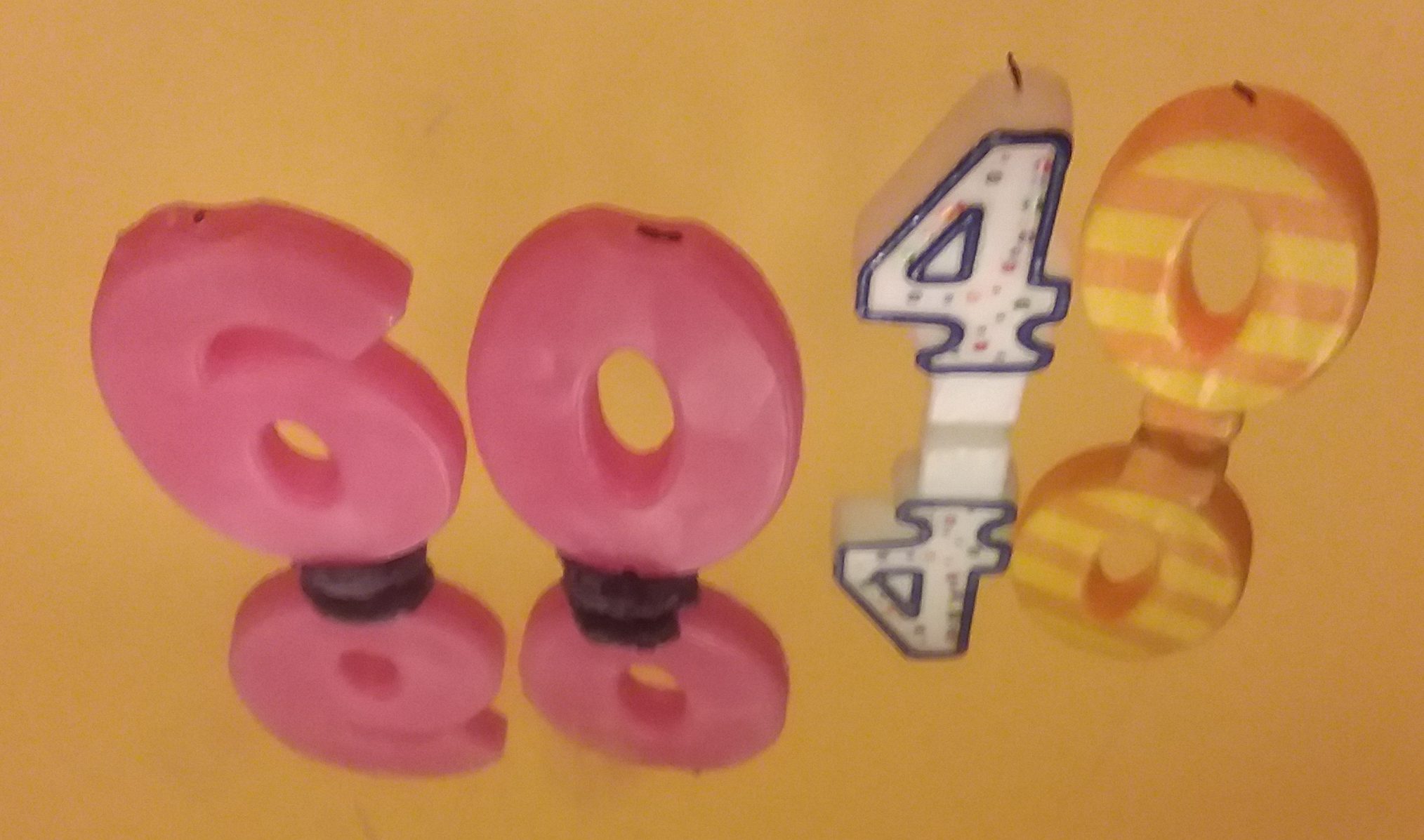
60: (September 2026)
I am in Berlin, Germany, as I write this, steps away from some of the remnants of the Berlin Wall. I’ve been reading a couple of books about the wall while I’ve been here; brutal personal accounts of people who were tortured, psychologically and/or physically, some to death. For others, the scars and internal wounds are still carried. I am learning a great deal about the political and societal forces that converged to build the wall—and then tear it down. I think of parallels in the U.S. right now, the physical wall going up on our southern border, and the equally if not more powerful walls being erected between people, communities, and families.
Perhaps it is inevitable that civilizations cycle through periods of darkness and light, war and peace, hatred and love, chaos and compassion, as in the Tibetan Buddhist wheel of life, which symbolizes birth, suffering, death, and rebirth in endless cycles. The Berlin Wall was built and then increasingly fortified over the decades, yet even so, it was eventually torn down.
Fear can be an essential building block of a wall, but communion seems to prevail over time. The Berlin Wall stood for 28 years, becoming more impregnable with each passing year. Yet, it wasn’t truly impregnable after all; after all those years, mass protests were one of the forces that helped to bring it down. When walking through Berlin’s streets today, it seems surreal that a guarded wall with its accompanying death strip was literally under my footsteps.
As politics has become so polarized in the U.S. today, many walls have been constructed as a result. Perhaps we can begin to dismantle those walls by endeavoring to find what joins us, what we have in common, rather than focusing on our differences. Hostility feeds fear, strengthening walls. Understanding our common humanity might just help those walls begin to crumble.
As I soak in the stories swirling around the Berlin Wall memorials, I am struck by the impermanence of all things. Time erases walls, ideologies, and the very fabric of our lives. Why waste any precious moments on laying bricks? The things worth spending time on bring light and unity; communion is what we ultimately crave, forged together with the highest impulses we can muster.
40: (September 2006)
An article I read about Afghan women and their children in refugee camps in Pakistan brought me back to a brief, but powerful conversation I had with my mother-in-law’s home health aide some years ago. She described what it was like to live in an occupied country in Europe during World War II. Her experiences were so brutally horrifying that my body felt like disintegrating on the spot. I have read a lot of personal and historical accounts about WWII, but talking to this woman in a kitchen in Seattle made the war live in the moment for me. I was overwhelmed.
Rape, physical and psychological torture, pregnancy. It is one thing to read accounts of such things. It is quite another to be standing in front of a refrigerator, looking into the eyes of a woman who is telling you what she lived through. I asked her how she ever went on after what was done to her, her family, and the other villagers. She barely raised an eyebrow and replied soberly, “You have two choices: to shrivel up like a prune and die, or to live.”
What courage to make the choice to live, what heroism! Yet more than 50 years hence, she remains in the company of so many of the wounded who are uncelebrated, unseen, and unheard, yet carrying on with life. Cooking, cleaning, caring for others, going on. No war pension, health insurance, or medals to remind her of her valor.
Her face sprang to my mind as I read about the Afghan women and children refugees: hungry, displaced by-products of war. People who get no badges or compensation. Perhaps an Afghan refugee will share a cup of tea in someone’s kitchen, 50 or so years from now and tell her tale of horror. And it will not seem so abstract, so removed from reality, because when you are looking into someone’s eyes, the pain speaks as no words can, and the heart understands what the mind cannot fully grasp.
There are people in camps right now whose eyes we will never look into; we will never be able to fully appreciate what it is like to live through their personal version of war. I hope they too, are choosing to live.
60-40:
Year after year, decade after decade, the immense suffering of humanity continues. May we each do what we can in whatever ways possible to relieve the collective pain inherent in being alive, and move us all closer to a compassionate world.


https://youtu.be/kdmgpMfnjdU 9.1K likes, 398 comments. “The Servant Song” servantofthelion youtu.be
Says worship for men somewhere on the YouTube listing. This woman likes it, too! xo S
LikeLike
🙂
LikeLike